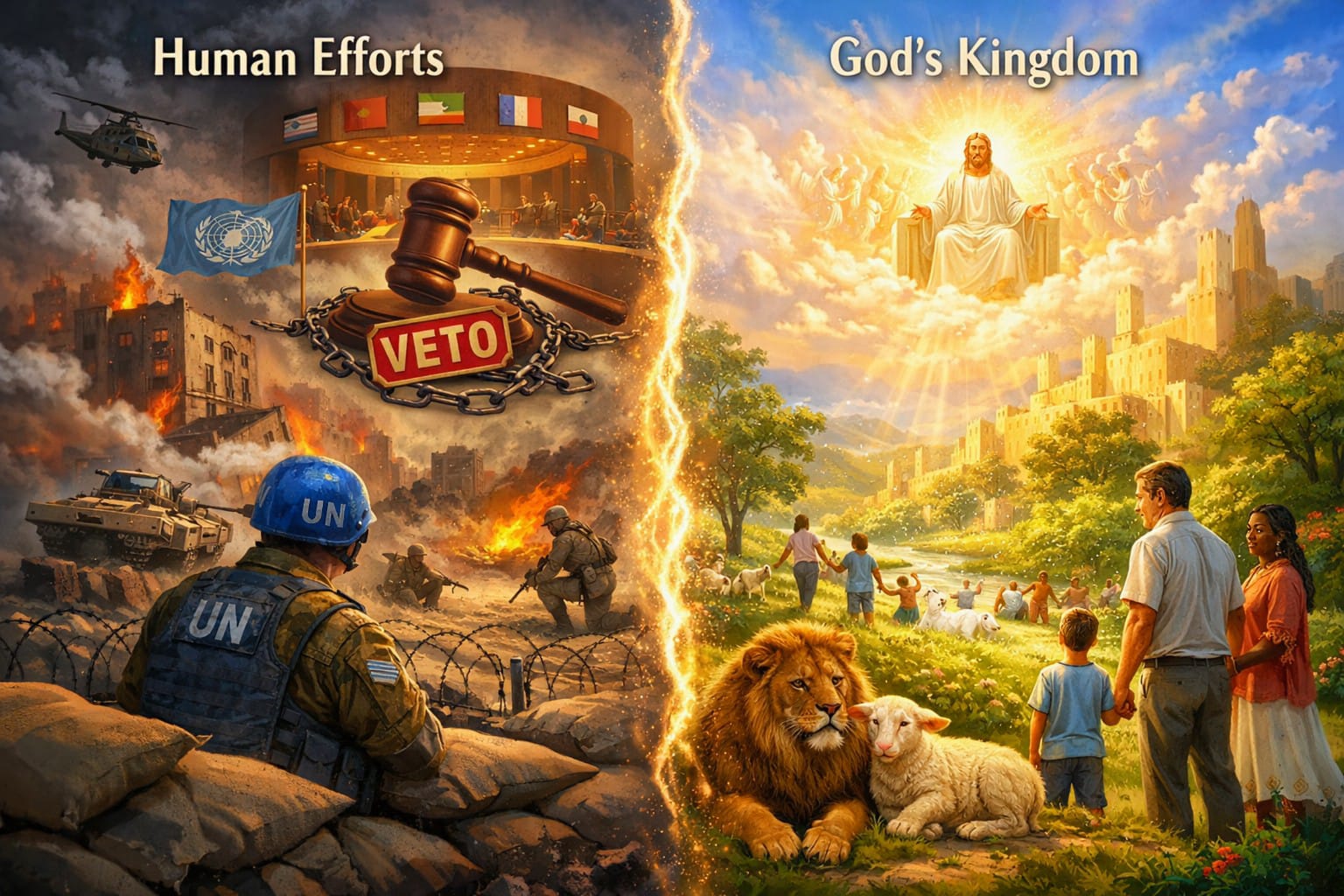
In conflict zones from Haiti to South Sudan, the blue helmets of United Nations peacekeeping forces typically represent the world’s most earnest attempt to halt violence. However, recent geopolitical shifts have exposed critical vulnerabilities in these human institutions. Despite sincere intentions, missions often find themselves paralyzed, operating in high-risk zones where there is simply "no peace to keep."
The Gridlock of Veto Power and Lack of Consent
A primary hurdle in regions like Ukraine is the structure of the Security Council itself. When a permanent member possesses veto power and is simultaneously involved in a conflict, decisive action becomes nearly impossible. Furthermore, peacekeeping mandates traditionally require the consent of the warring parties. In existential, active conflicts, this consent is rarely granted, leading to diplomatic stalemates while lives continue to be lost.
Geopolitical Disagreement and Logistical Barriers
The international system is increasingly divided, preventing a unified consensus on robust mandates. This division trickles down to the ground level, where logistical hurdles become insurmountable. In vast war zones, personnel face infrastructure incompatibility and constant physical danger. When international bodies struggle with funding and bureaucratic inefficiencies, the response is often too slow to prevent escalation.
— Psalm 146:3
When Neutrality Becomes Complicity
Modern conflicts involve nimble adversaries and non-state actors, making traditional peacekeeping methods obsolete. A growing concern is that by maintaining a neutral stance in the face of clear aggression, peacekeeping missions can inadvertently become "complicit with evil," failing to distinguish between victim and aggressor and merely freezing a conflict rather than resolving it.
The Solid Solution: God’s Kingdom
Where human diplomacy reaches its limit, God’s Kingdom begins. The Bible describes a government that does not rely on the fickle consent of human rulers or the uneven funding of nations. God’s Kingdom is a heavenly reality that will replace fractured human systems with a singular, righteous authority.
— Daniel 7:14
God’s Kingdom addresses the "root causes" that human organizations cannot touch. It does not just manage a ceasefire; it transforms the human heart and removes the very tools of war. Under this perfect administration, resources will never be a barrier to protection, and justice will never be vetoed by political interest.
— Psalm 46:9
The ultimate failure of human peacekeeping is the inability to bring a lasting change to human nature. God’s government, however, provides a global education in peace, ensuring that "nation will not lift up sword against nation, nor will they learn war anymore" (Isaiah 2:4). This is the only solid foundation for a world where security is not a fragile agreement, but an eternal reality.