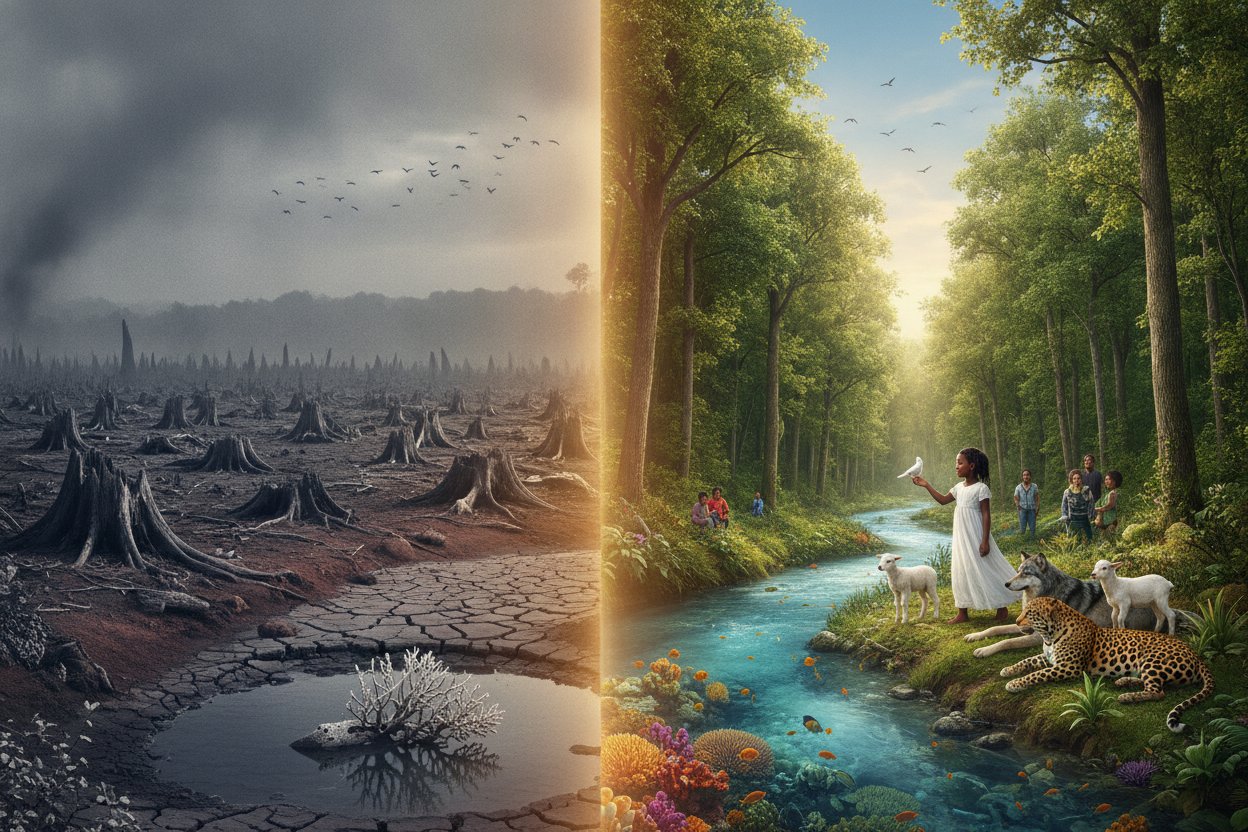
The earth teems with an astonishing variety of life — but that variety is vanishing. In October 2024, the World Wildlife Fund's Living Planet Report revealed that monitored wildlife populations have declined by an average of 73 percent since 1970. Freshwater species have suffered most, with an 85 percent decline, followed by land and marine species.
The International Union for Conservation of Nature (IUCN) now lists more than 48,000 species as threatened with extinction — about 28 percent of all species it has assessed. These include 41 percent of amphibians, 44 percent of reef-building corals, and over a third of sharks and rays. Habitat loss, overexploitation, pollution, invasive species, and climate change are driving the decline.
Biodiversity in Crisis (WWF; IUCN Red List):
- Wildlife decline: Monitored populations down 73% since 1970.
- Freshwater: An 85% average decline in freshwater species populations.
- Threatened: More than 48,000 species at risk of extinction — about 28% of those assessed.
- Most at risk: 41% of amphibians, 44% of reef-building corals, over a third of sharks and rays.
- Main drivers: Habitat loss, overexploitation, pollution, invasive species and climate change.
Protection That Cannot Keep Up
Nations have agreed to protect 30 percent of land and sea by 2030, and conservation efforts have rescued some species from the brink. These successes show what is possible. Yet overall, the losses continue, because the demands of a growing global economy press harder on the natural world each year. Short-term profit continues to outweigh long-term stewardship.
— Genesis 2:15
From the beginning, God assigned humans to care for the earth and its creatures — not to exploit them to the point of destruction. Humanity's failure to fulfill that role is visible in every collapsing ecosystem.
The Creator Will Restore His Creation
The Bible reveals that God takes delight in the life he created and that he will not allow it to be destroyed.
— Psalm 104:24
Under God's Kingdom, the earth will be restored as a paradise. Forests, rivers, and oceans will flourish again, and humans will finally care for creation as God intended.
Peace Between People and Animals
The Bible even describes a future in which humans and animals will live together in perfect peace.
— Isaiah 11:6, 9
Conservationists are working tirelessly to save the earth's wildlife, and every species protected is a gift. But the steep declines show that human stewardship is failing. God's Kingdom will heal the planet and fill it once again with the abundance of life he originally intended.