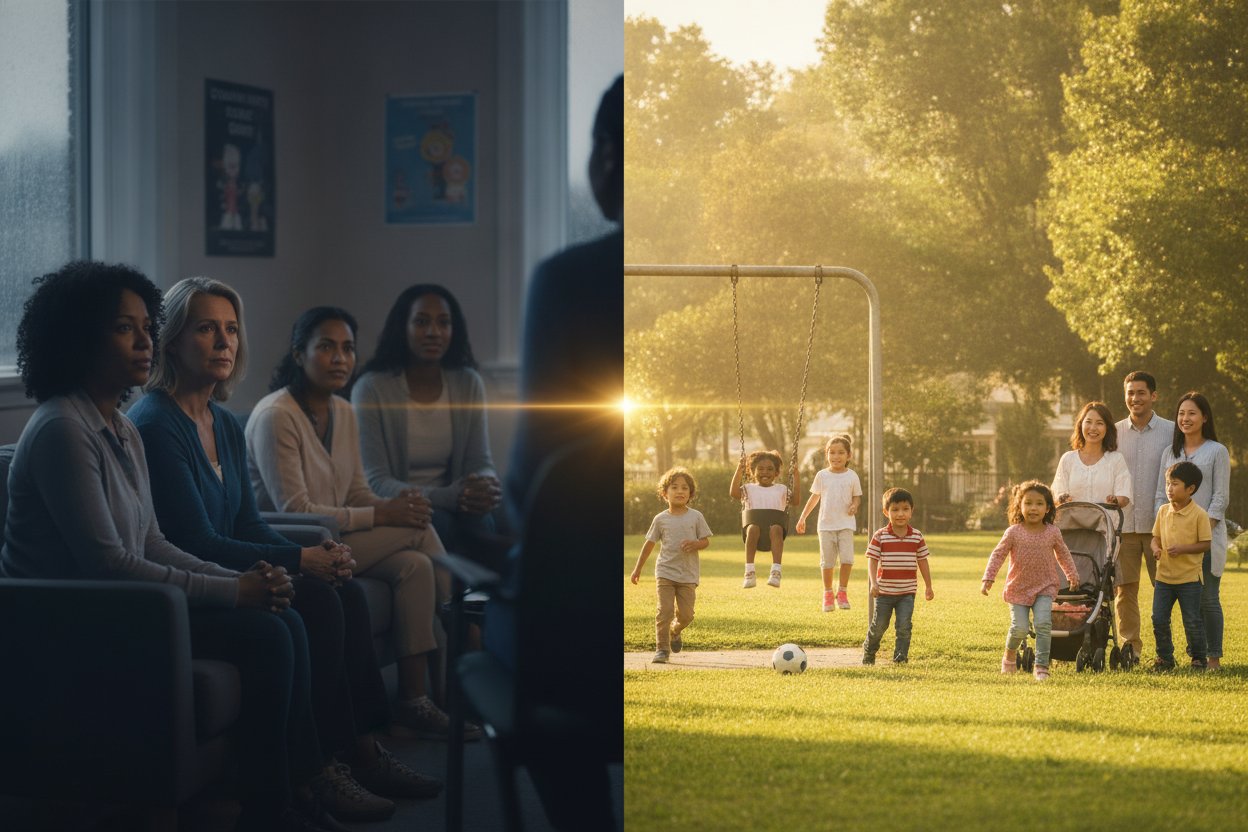
Children deserve to feel safe at home, at school, in their communities, and with the adults entrusted to care for them. Yet a landmark UNICEF report released on October 10, 2024, estimated that 1 in 8 girls and women alive today, or more than 370 million people, experienced rape or sexual assault before reaching age 18 (UNICEF, 2024).
The report provides the first comprehensive global and regional estimates of sexual violence against children. Its findings show that this abuse occurs across economic and cultural boundaries, often involving someone a child knows and trusts. UNICEF stated: “Sexual violence against children is a stain on our moral conscience. It inflicts deep and lasting trauma, often by someone the child knows and trusts, in places where they should feel safe” (UNICEF, 2024).
Global Childhood Sexual Violence (UNICEF, 2024):
- Girls and women affected: About 1 in 8 girls and women, more than 370 million people, experienced rape or sexual assault before age 18 (UNICEF, 2024).
- Non-contact abuse adds greatly to the total: When online and verbal sexual abuse are included, about 1 in 5 girls and women, or 650 million, experienced sexual violence during childhood (UNICEF, 2024).
- Boys and men also harmed: Between 240 million and 310 million boys and men, about 1 in 11, experienced contact sexual violence in childhood (UNICEF, 2024).
- Greater danger in fragile settings: For girls living where institutions are weak, the risk rises to slightly more than 1 in 4 (UNICEF, 2024).
- Highest number of victims: Sub-Saharan Africa has 79 million girls and women who experienced sexual violence before age 18 (UNICEF, 2024).
Why Children Remain So Vulnerable
Governments, schools, community groups, and child-protection agencies can take meaningful steps to prevent abuse, support survivors, and hold offenders accountable. However, safeguards depend on trustworthy adults, effective reporting systems, adequate resources, and institutions that act promptly and fairly. Children may be afraid to speak, unsure whom to trust, or dependent on those who should be protecting them.
Psalm 82:3, 4
These words show that God cares deeply about those who cannot easily protect themselves. Yet human systems are often weakened by violence, poverty, instability, secrecy, and unequal access to support. UNICEF found that in fragile settings with weak institutions, slightly more than 1 in 4 girls experience sexual violence in childhood (UNICEF, 2024). Such conditions make clear why even sincere human efforts have not been able to provide every child with dependable safety.
A King Who Defends the Vulnerable
God’s Kingdom will provide the just and united government that human institutions have been unable to establish. Jesus Christ, its King, understands the suffering of vulnerable people and will rule with complete fairness. His government will not be limited by corrupt officials, neglected communities, national divisions, or a lack of resources.
Isaiah 11:4
Under Christ’s rule, every person will be treated with dignity and given proper protection. God’s Kingdom will never overlook a child because that child is poor, isolated, displaced, or without influence. It will establish the secure conditions in which families and communities can live free from the fear of exploitation and violence.
Hope for Homes and Communities That Are Safe
The UNICEF estimates include girls and women, as well as between 240 million and 310 million boys and men who experienced contact sexual violence in childhood (UNICEF, 2024). Behind these numbers are individuals whose trust, security, and well-being have been deeply harmed. The report’s finding that 79 million girls and women have been affected in sub-Saharan Africa alone also shows that no region can be ignored (UNICEF, 2024).
Psalm 72:12, 14
Prevention programs, compassionate support, and fair legal action can bring needed help today. Still, the scale revealed by UNICEF shows the limits of human systems in protecting every child consistently. God’s Kingdom will bring a world in which every life is valued, justice is complete, and children can grow up in homes and communities marked by true peace and security.