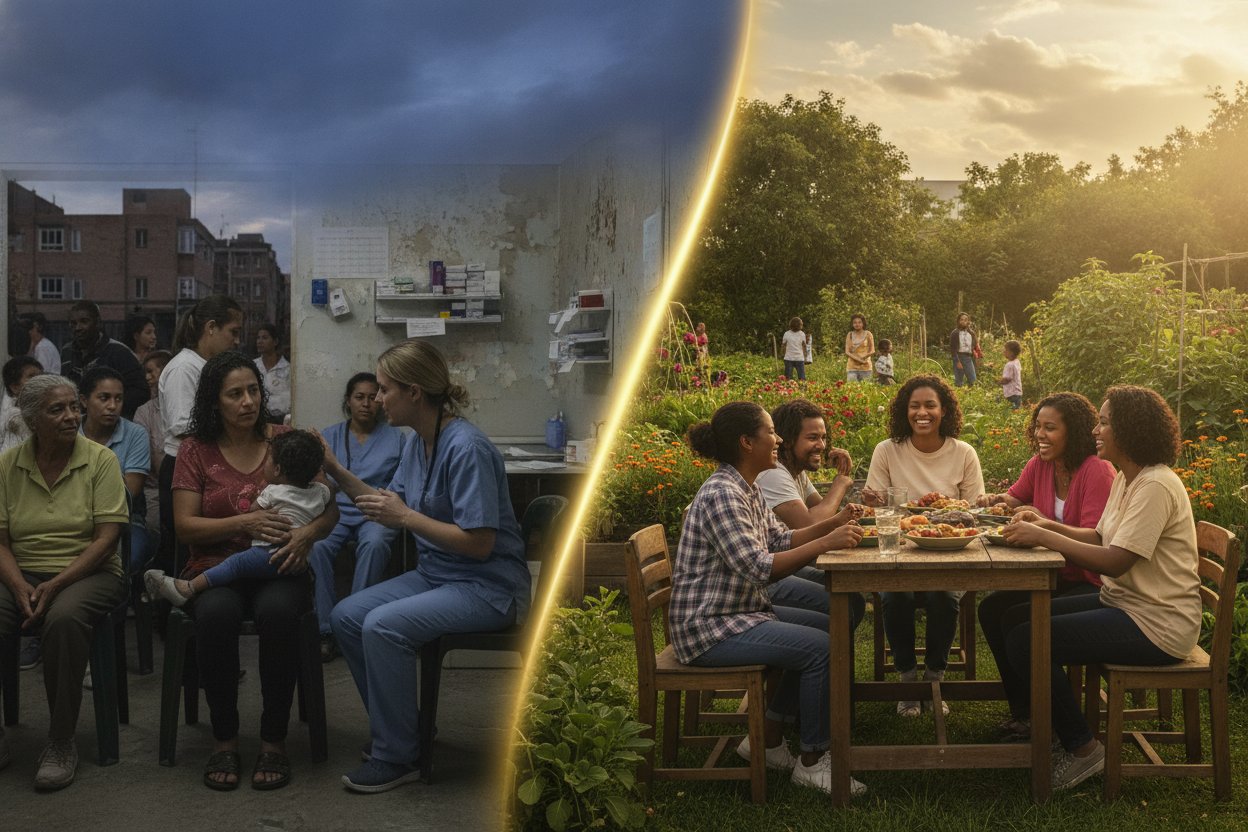
Tuberculosis, commonly called TB, is preventable and curable. Yet the World Health Organization reported on October 29, 2024, that it has again become the world’s leading infectious disease killer. In 2023, 8.2 million people were newly diagnosed with TB, the highest number recorded since global monitoring began in 1995 (WHO, 2024).
Behind the report are families grieving preventable losses and patients facing illness that can be difficult to diagnose or treat. The WHO stated: “The fact that TB still kills and sickens so many people is an outrage, when we have the tools to prevent it, detect it and treat it” (WHO, 2024). Conflict, gaps in healthcare, inadequate funding, and drug-resistant forms of the disease have made those tools unavailable or ineffective for far too many people.
The Global Tuberculosis Crisis (WHO, 2024):
- Record number of diagnoses: 8.2 million people were newly diagnosed with TB in 2023, the highest total since global monitoring began in 1995 (WHO, 2024).
- A major cause of death: Approximately 1.25 million people died from TB in 2023, more than twice the number of deaths caused by HIV (WHO, 2024).
- Millions missed by reporting systems: The difference between estimated new TB cases and those actually reported was approximately 2.6 million people in 2023 (WHO, 2024).
- Drug-resistant TB remains a crisis: Of an estimated 400,000 people who developed multidrug-resistant TB in 2023, only 44% received treatment (WHO, 2024).
- Funding falls far short: Global funding for TB prevention and care reached $5.7 billion in 2023, well below the annual target of $22 billion (WHO, 2024).
Why Medical Progress Has Not Ended TB
Doctors, nurses, researchers, and public-health workers have developed valuable methods for preventing, finding, and treating TB. Still, a successful response depends on reliable clinics, trained staff, diagnostic testing, medicines, stable communities, and sufficient funding. Where conflict disrupts services or poverty prevents people from obtaining care, the disease can spread undetected and untreated.
Proverbs 3:27
This proverb expresses God’s concern that people receive needed help when it is available. The present situation is especially troubling because the means to address TB already exist, yet approximately 2.6 million estimated new cases were not reported in 2023 (WHO, 2024). Human health systems can offer important care, but they are limited by national borders, shortages of money and personnel, disrupted infrastructure, and unequal access to treatment.
A Government That Will Bring Complete Healing
God’s Kingdom will provide the united and compassionate rule that human institutions have never been able to establish. Jesus Christ, its King, showed deep concern for sick people during his life on earth. His healings gave a glimpse of what his administration will accomplish on a global scale, with no community excluded because of poverty, location, or instability.
Isaiah 33:24
This promise offers more than temporary relief from one disease. Under God’s Kingdom, sickness will no longer bring fear, loss, or separation to families. Christ’s government will have both the desire and the power to remove the causes of illness completely, giving every person the prospect of secure and lasting health.
Hope Beyond Today’s Treatment Gaps
The challenge of drug-resistant TB shows how fragile human gains can be. In 2023, only 44% of the estimated 400,000 people who developed multidrug-resistant TB received treatment (WHO, 2024). At the same time, funding for TB prevention and care was only $5.7 billion, far below the $22 billion annual target identified by the WHO (WHO, 2024). These shortages affect real people who need timely diagnosis, medicine, and compassionate care.
Psalm 147:3
Medical care and public-health programs can save lives today, and those who provide such care deserve gratitude. But the return of TB as the leading infectious disease killer shows that human efforts cannot guarantee health for everyone. God’s Kingdom will bring a world in which disease no longer overwhelms families or health systems, and all people can enjoy true peace and security.