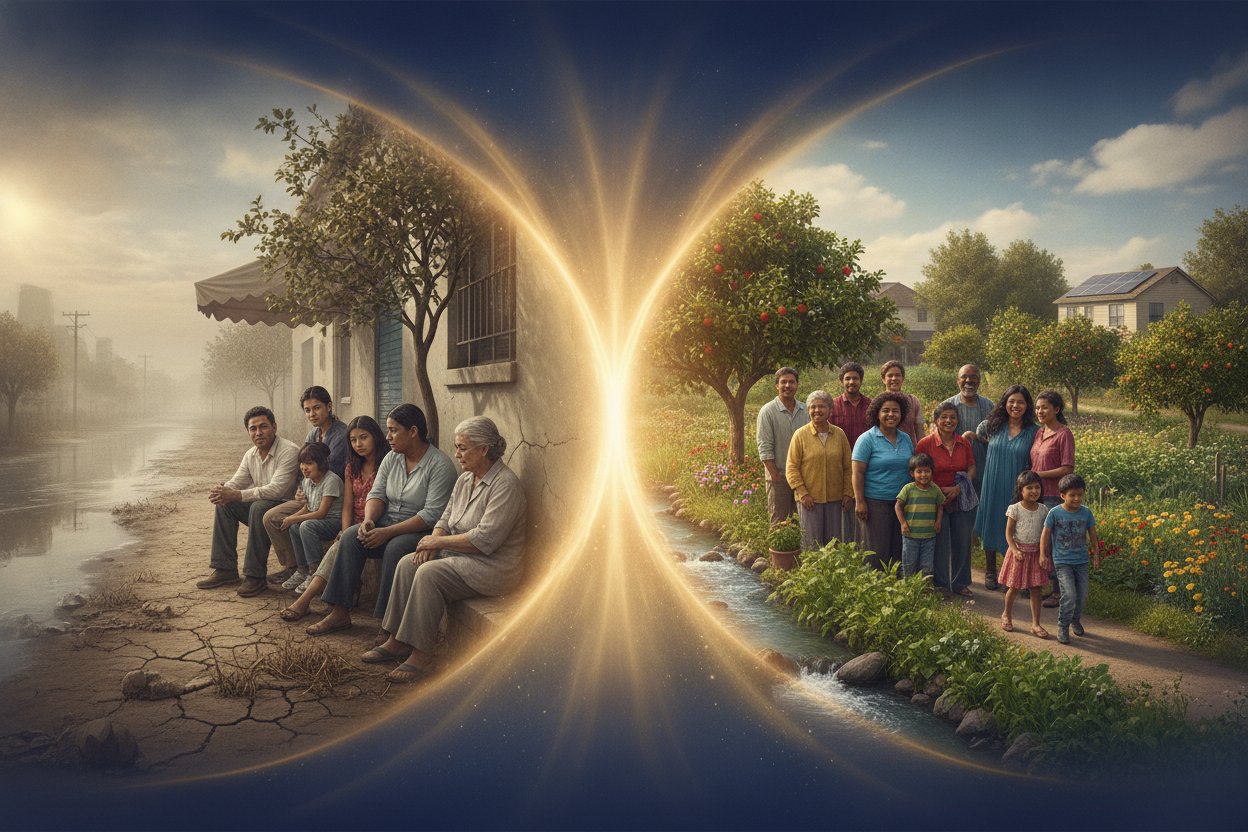
Climate change is no longer viewed simply as an environmental concern. It is increasingly a direct threat to human health. On October 30, 2024, The Lancet reported that climate-related dangers had reached record-breaking levels, affecting people in every country through extreme heat, infectious disease, food shortages, and destructive weather events (The Lancet, 2024).
The report stated: “This year’s report finds that the health of people in every country is being threatened by the changing climate in ways we have never seen before” (The Lancet, 2024). For many families, this means more than uncomfortable temperatures or damaged property. Heat can endanger older people, changing weather patterns can help disease-carrying mosquitoes spread, and extreme weather can disrupt food supplies and livelihoods.
Climate Change and Human Health (The Lancet, 2024):
- Heat-related deaths are increasing: Heat-related deaths among people over age 65 increased by 167% compared with the 1990s (The Lancet, 2024).
- Dangerous heat is lasting longer: In 2023, the average person experienced 50 more days of health-threatening temperatures than would have occurred without climate change (The Lancet, 2024).
- Dengue risk is expanding: The potential for mosquito transmission of dengue increased by up to 46% in some regions over the past decade because of warming (The Lancet, 2024).
- Extreme weather brings major losses: Climate-linked extreme weather events caused $227 billion in global economic losses during 2023 (The Lancet, 2024).
- Food insecurity is worsening: Extreme weather contributed to moderate to severe food insecurity for an additional 151 million people in 2022 when compared with the 1981-2010 average (The Lancet, 2024).
Why Human Efforts Have Fallen Short
Governments, scientists, health workers, and community organizations have taken important steps to warn people about heat, improve disaster response, and reduce the risk of disease. Yet the scale of the problem crosses national borders and affects regions with very different resources. Effective action requires long-term cooperation, reliable funding, careful planning, and a willingness to put the well-being of people ahead of short-term political or economic interests.
Genesis 2:15
This verse shows that God intended humans to care responsibly for the earth. However, the slow pace of coordinated action has left many people exposed to growing dangers. In 2023, the average person faced 50 additional days of health-threatening temperatures because of climate change, while people over 65 have seen heat-related deaths rise by 167% compared with the 1990s (The Lancet, 2024). Human institutions can respond to parts of the crisis, but they cannot consistently overcome division, competing priorities, and unequal access to protection.
A Government That Will Care for Earth and Its People
God’s Kingdom will provide the united and righteous rule that human governments have never been able to establish fully. Its King, Jesus Christ, has both the authority and the concern needed to protect human life. His rule will not be limited by political borders, financial shortages, or the changing interests of powerful groups.
Isaiah 35:1
This prophecy presents a hopeful picture of the earth restored to a condition that supports life and brings joy. Under God’s Kingdom, people will not have to fear that worsening environmental conditions will take away their health, food, or security. God’s government will ensure that the earth is cared for properly and that its benefits reach all people.
Hope Beyond Heat, Hunger, and Disease
The effects of climate change often combine, making vulnerable communities face several hardships at once. Warming has increased the potential for dengue transmission by up to 46% in some regions over the past decade, while extreme weather contributed to food insecurity for an additional 151 million people in 2022 compared with the 1981-2010 average (The Lancet, 2024). The $227 billion in global economic losses from climate-linked extreme weather during 2023 also reflects homes, livelihoods, and services placed under strain (The Lancet, 2024).
Psalm 72:16
Those who care for disaster victims, develop health protections, and work to preserve the environment deserve appreciation. Their efforts can bring meaningful help now. Still, the growing climate-driven health threat shows that human systems cannot guarantee lasting safety for every community. God’s Kingdom offers the sure hope of a restored earth where people can enjoy secure health, dependable food, and true peace and security.