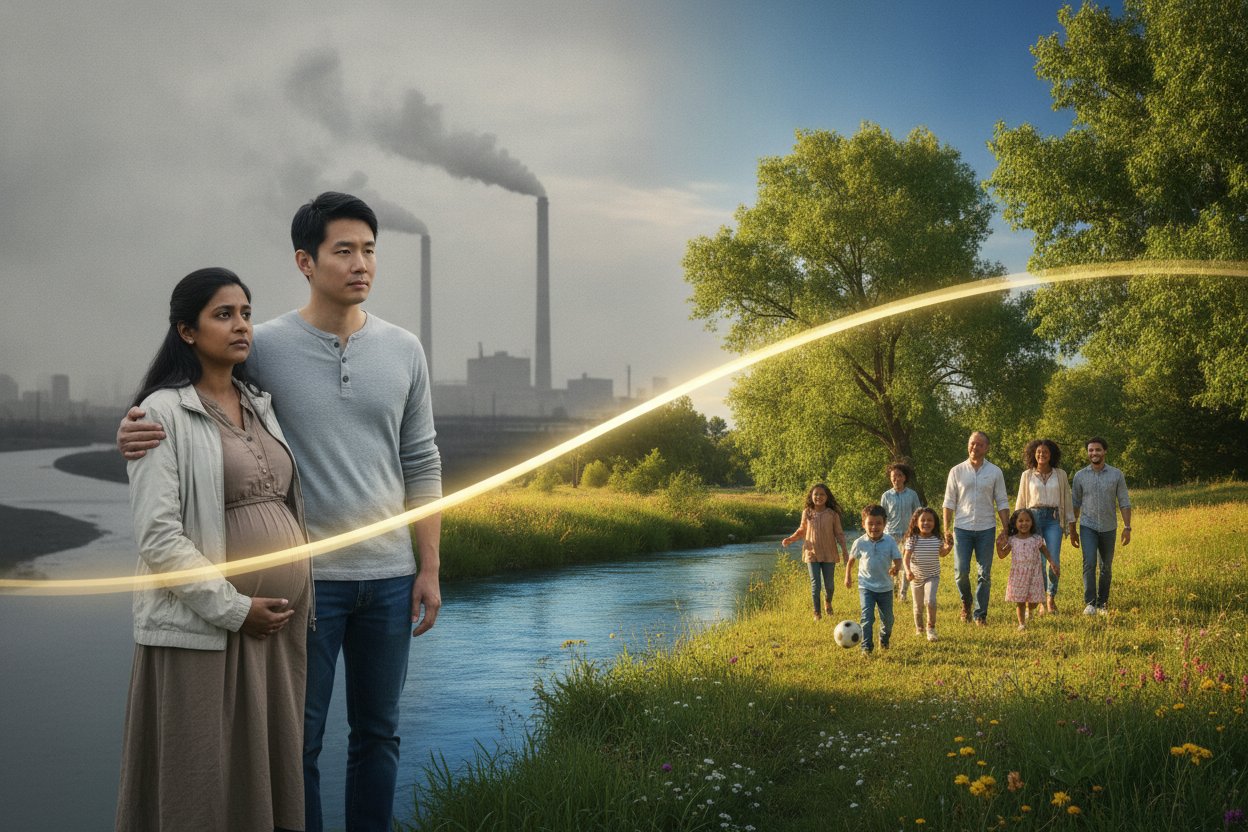
Some dangers cannot be seen, smelled, or easily avoided. On November 17, 2026, the United Nations Environment Programme and the World Health Organization released The State of the Science on Endocrine-Disrupting Chemicals 2026, warning that exposure to hormone-disrupting chemicals can begin before birth and may threaten the brain development and reproductive health of future generations (UNEP-WHO, 2026).
Endocrine-disrupting chemicals, often called EDCs, are synthetic substances found in such everyday items as plastics, pesticides, and cosmetics. They can imitate or interfere with the body’s natural hormones, which regulate many essential functions. The report stated: “What makes EDCs particularly concerning is that they can disrupt hormones that regulate many essential functions... These effects can be long-lasting and, in some cases, irreversible” (UNEP-WHO, 2026).
The Growing Concern About Endocrine-Disrupting Chemicals:
- Evidence of harm has increased: The 2026 assessment, the first major global review in 14 years, found that evidence linking chemical exposure to irreversible health damage has “strengthened and broadened” significantly (UNEP-WHO, 2026).
- Exposure begins before birth: EDCs have been detected in human blood, breast milk, and cord blood, confirming exposure to these chemicals before a child is born (UNEP, 2026).
- Safer food choices are unaffordable for many: An estimated 2.7 billion people cannot afford healthy, chemical-free diets and may therefore rely on processed goods that are often packaged in materials containing EDCs (FAO, 2026).
- Chronic illness is a growing concern: The WHO identified a rising global incidence of metabolic liver disease and cardiovascular issues linked to chronic exposure to everyday synthetic chemicals (WHO, 2026).
- Regulation has not kept pace: International regulatory frameworks have failed to keep up with a 400% increase in global chemical production since the early 2000s, even though EDCs are found in thousands of consumer products (UNEP, 2026).
Why Human Safeguards Have Fallen Behind
Scientists, medical professionals, public-health agencies, and responsible manufacturers are working to understand chemical risks and reduce harmful exposure. Such efforts can provide valuable protection. Yet chemicals are produced, traded, and used across national borders, while regulations are often developed separately and can take years to update. By the time a harmful substance is restricted in one place, people elsewhere may still be exposed through products they use every day.
Proverbs 31:8-9
This counsel reflects God’s concern for people who have little power over the conditions affecting their health. An unborn child cannot choose what chemicals enter the mother’s body or what materials are used in food packaging. At the same time, an estimated 2.7 billion people cannot afford healthy, chemical-free diets, and global chemical production has increased by 400% since the early 2000s (FAO, 2026; UNEP, 2026). Human institutions can identify dangers and offer some protection, but they have not been able to ensure that every family is protected from preventable chemical exposure.
A Kingdom That Values Human Life
God’s Kingdom will provide the wise and righteous rulership that human governments have never been able to establish fully. Jesus Christ, its King, will not be limited by incomplete information, commercial pressures, or changing political priorities. His government will always put the well-being of people, including the most vulnerable, first.
Isaiah 11:4
This promise assures us that God’s government will act with perfect fairness. No child will be overlooked because a family cannot afford safer food, and no community will be left exposed because protective rules have failed to keep pace with industrial change. Under God’s Kingdom, human health and life will never be treated as less important than convenience or profit.
Hope for Lasting Health and Safety
The 2026 assessment shows why temporary measures alone cannot resolve this problem. EDCs have been detected in blood, breast milk, and cord blood, while the evidence connecting chemical exposure with irreversible harm has grown substantially over the 14 years since the previous major global assessment (UNEP, 2026; UNEP-WHO, 2026). The rising incidence of metabolic liver disease and cardiovascular issues linked to chronic exposure also shows that the consequences can affect people throughout their lives (WHO, 2026).
Isaiah 33:24
This promise gives hope for a time when sickness and the causes of suffering will no longer burden humanity. Researchers who expose dangers, health workers who care for those affected, and others who seek safer practices deserve appreciation for their efforts today. Still, the worldwide spread of hormone-disrupting chemicals shows that human systems cannot guarantee lasting protection. God’s Kingdom offers the sure hope of a clean, safe earth where every family can enjoy true health, peace, and security.